
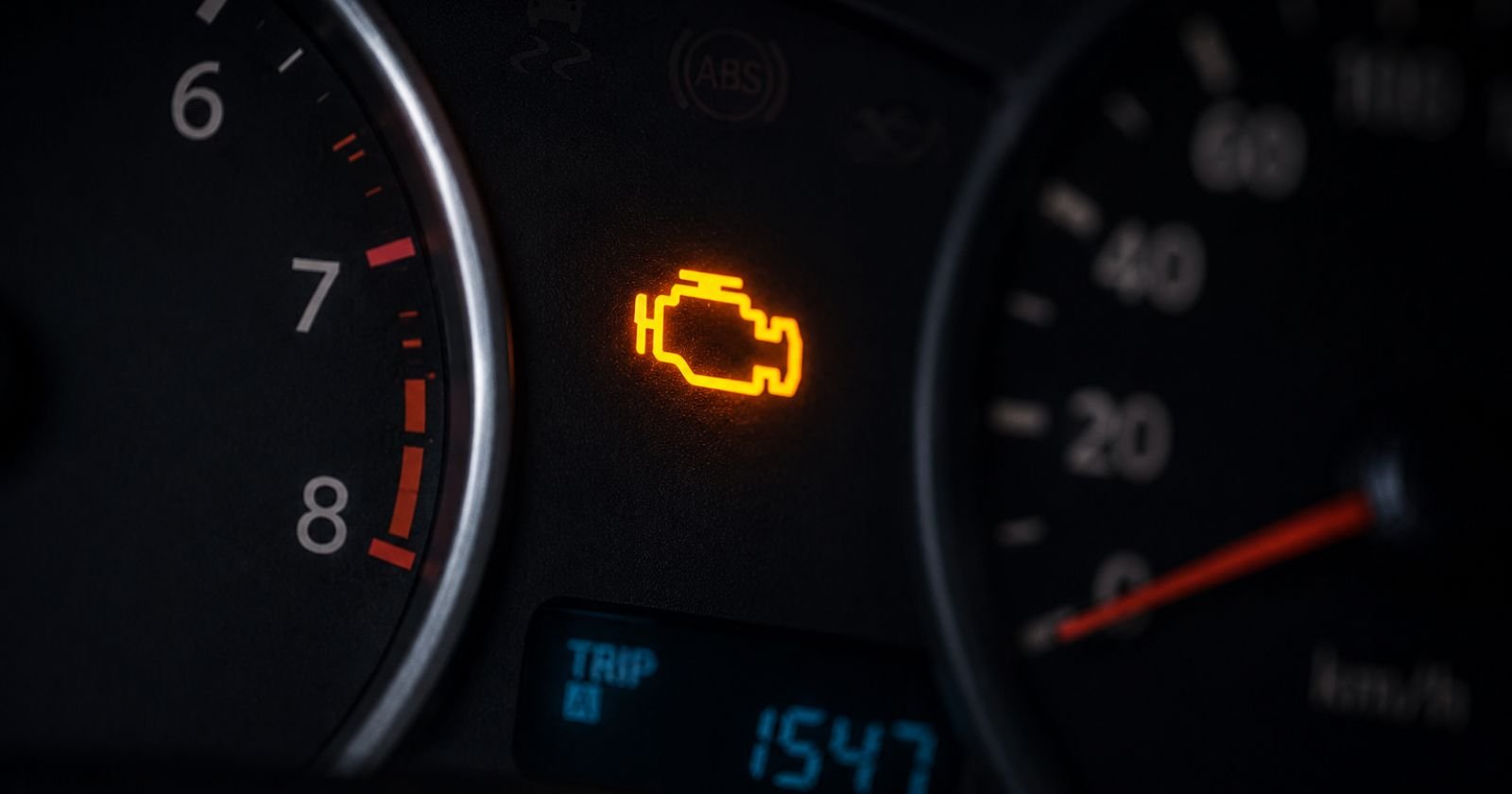

Your check engine light turned off on its own — and now you’re not sure whether to feel relieved or more worried. The honest answer: in some cases, that issue may only happen temporarily. When the system no longer detects the problem after several drive cycles, the light can turn itself off. However, the fault code is often still stored in the system. So the warning may be gone, but the underlying issue almost certainly isn’t. Here’s exactly why this happens — and what you should do about it.
Can a Check Engine Light Turn Off By Itself?
Yes — and it happens more often than most drivers realize. In many cases, this happens when the problem corrects itself or is no longer detected. For example, if your gas cap was loose but you tightened it, the computer may shut the light off after a few driving cycles. KB Tire & Auto Repair
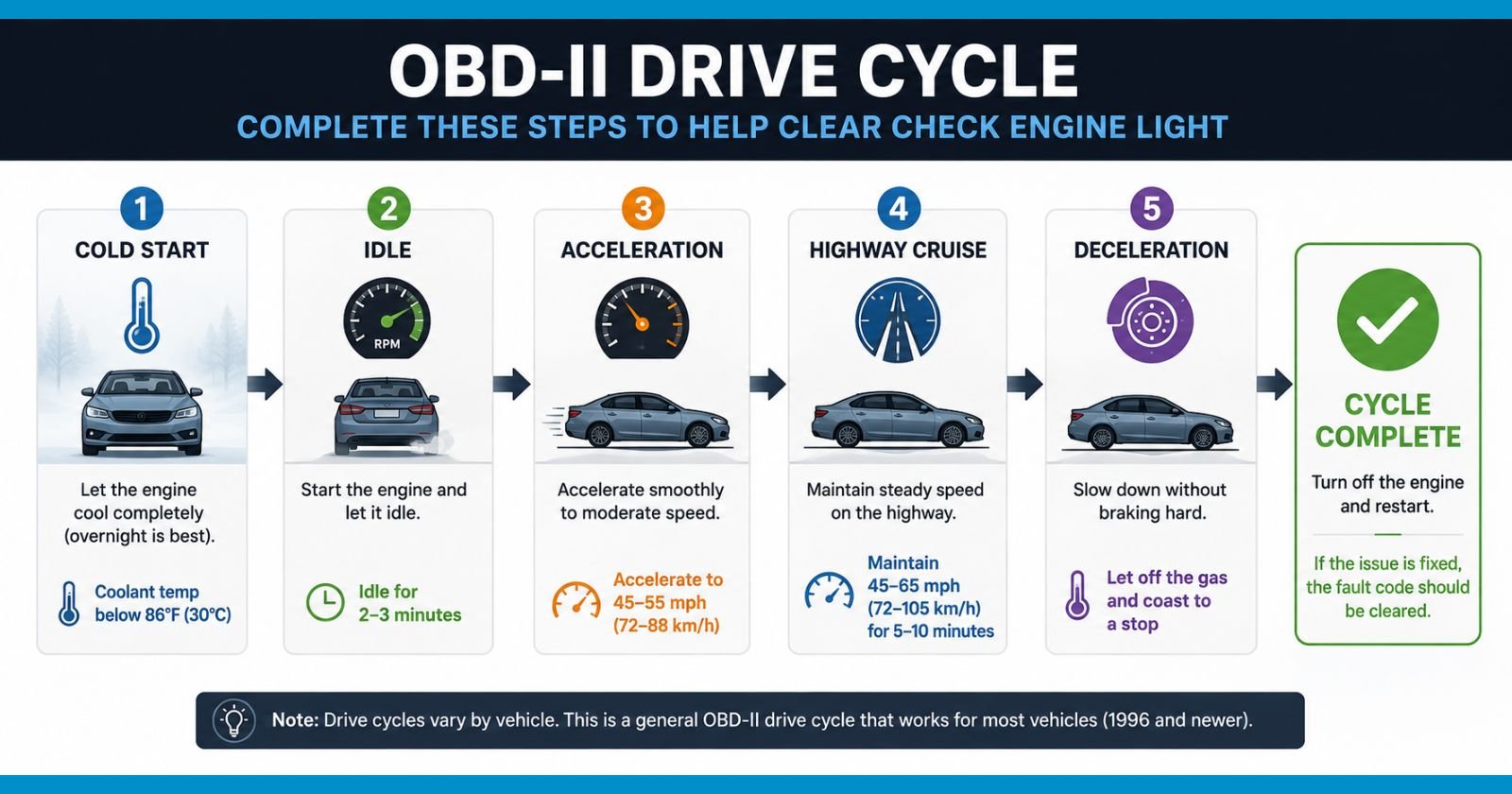
Your car’s Engine Control Unit (ECU) constantly runs self-checks called drive cycles — a sequence of engine conditions (cold start, idle, acceleration, highway speed) your car works through during normal driving. If the fault that triggered the light is not detected across a set number of consecutive drive cycles, the ECU clears the active warning and the light goes out.
The critical detail: clearing the light is not the same as clearing the problem. A check engine light will shut itself off if the condition that caused it is remedied. So, if your converter is marginal, and you did a lot of stop-and-go driving, which creates high demand for the converter, that may have turned on the check engine light. If you then did a bunch of highway driving before changing the oil, the specs may have dropped back into the normal range, causing the light to go off. ElectronicsHub
The 6 Most Common Reasons It Turned Off
1. Loose Gas Cap (Most Common)
A loose or improperly sealed gas cap is one of the most common causes. If the cap is tightened and the system passes its self check, the light may turn off after a few drives. Modern cars monitor fuel system vapor pressure as part of emissions control. A loose cap breaks that seal and triggers the light. Tighten the cap and drive normally — the light typically clears within two to three drive cycles. Repair Made Simple
2. Intermittent Sensor Reading
Intermittent sensor readings can also trigger temporary warnings. A sensor may briefly report abnormal data due to moisture, temperature changes, or minor fluctuations, then return to normal. Oxygen sensors, mass airflow sensors, and coolant temperature sensors are frequent sources of these temporary readings. The light goes off not because the sensor is fine — but because it temporarily recovered enough to pass the ECU’s threshold. Repair Made Simple
3. Temperature and Cold Weather
Temperature swings can affect sensors, fuel systems, and emissions components, occasionally triggering a light that clears once conditions stabilize. Extremely cold mornings can cause temporary rich fuel mixture readings, brief misfires, or EVAP system pressure failures — all of which may set off the light but resolve on their own once the engine warms up. Repair Made Simple
4. A Minor or Intermittent Misfire
Minor misfires or fuel system inconsistencies may occur briefly and then correct themselves, especially if caused by fuel quality. A single bad tank of gas, water contamination, or a momentary ignition event can trigger a misfire code. If it doesn’t recur across subsequent drive cycles, the ECU clears the light. Repair Made Simple
5. ECU Recalibration
The Engine Control Unit (ECU) might recalibrate itself, leading to the check engine light turning off. This often happens in response to changes in operating conditions or sensor readings. Some light-off events are the ECU adjusting its own parameters rather than a fault genuinely resolving. Wrightscarcare
6. A Marginal Component That’s Deteriorating
This is the most important one — and the one Car Talk’s mechanic explained so well. My prediction is that the light is going to come back on again, if it hasn’t already. And at some point soon, it’ll stay on — and then you won’t be able to pass inspection. A catalytic converter or oxygen sensor that is near the end of its life will pass the ECU’s check during some drive conditions (steady highway cruising) and fail during others (heavy city traffic demanding more converter output). The light cycles on and off until the component fails completely — and then it stays on permanently. ElectronicsHub
Is It Safe to Keep Driving?
It depends on what caused the light in the first place.
Solid light — you can usually keep driving for a short time, but schedule a visit to an auto repair shop soon. Flashing light — stop driving immediately. A flashing light often indicates an engine misfire that can damage your catalytic converter and lead to costly repairs. KB Tire & Auto Repair
The problem with a self-clearing light is that you don’t know which scenario applies — a harmless gas cap issue or a deteriorating catalytic converter — without pulling the stored fault codes. The ECU stores the code even after the light goes out. A mechanic or any auto parts store with an OBD-II reader can pull those codes for free and tell you exactly what triggered the light, even if it’s no longer illuminated.
Pro Tip: AutoZone, O’Reilly Auto Parts, Advance Auto Parts, and most other auto parts stores will read your OBD-II codes for free. It takes five minutes. Do this before deciding the self-clearing light means everything is fine.
What to Do When the Check Engine Light Turns Off by Itself
Step 1 — Check your gas cap first. Remove it, inspect the rubber seal for cracks, and retighten it firmly until you hear it click. This costs nothing and resolves the problem in a surprising number of cases.
Step 2 — Get the codes read, even if the light is off. The fault code stays stored in your ECU after the light clears. A free OBD-II scan at any auto parts store will show you what triggered it. This takes five minutes.
Step 3 — Don’t ignore a pattern. If the issue persists, it will likely continue to recur. This is a sign that something in your car is not working consistently, and it should not be ignored. A light that comes on, goes off, comes on again, goes off again is telling you something important — it’s the ECU repeatedly detecting and losing a fault at the borderline of its threshold. KB Tire & Auto Repair
Step 4 — Bring it to a mechanic if the code points to something specific. Oxygen sensors, catalytic converters, mass airflow sensors, and EVAP system leaks all need professional diagnosis if the stored code points in those directions. Letting them deteriorate further will make the eventual repair more expensive.
When Should You Worry?
Worry immediately if the light was flashing before it went out — a flashing check engine light indicates an active engine misfire, which can destroy a catalytic converter in minutes of continued driving.
Worry promptly if the stored code (pulled from the ECU) points to anything related to the engine, transmission, or emissions components. These are not issues that resolve themselves — they escalate.
Don’t panic if the code points to the EVAP system or gas cap — these are the most common benign causes and the easiest to fix.
Frequently Asked Questions
Can a check engine light turn off by itself without being fixed?
Yes. In many cases, this happens when the problem corrects itself or is no longer detected by the car’s computer across several drive cycles. However, the stored fault code remains in the ECU even after the light clears. The issue may not be fixed — it may just be temporarily undetected. Always get the codes read before assuming the problem is resolved. KB Tire & Auto Repair
How many drive cycles does it take for the check engine light to turn off?
Typically two to three consecutive clean drive cycles are required before the ECU clears an active warning. A drive cycle includes a cold start, several minutes of idling, acceleration to highway speed, sustained cruising, and deceleration back to stop. If the fault is not detected in each of those phases across consecutive trips, the light will go out.
Does the check engine light turn off after you tighten the gas cap?
If the cap is tightened and the system passes its self check, the light may turn off after a few drives. It doesn’t go off the moment you tighten it — the ECU needs to complete a self-check of the fuel vapor system, which typically happens over two to three normal driving sessions. Repair Made Simple
Is it safe to drive when the check engine light turned off by itself?
Generally yes for short distances — but only until you can get the stored fault codes read. A flashing light often indicates an engine misfire that can damage your catalytic converter and lead to costly repairs. If the light was flashing before it went out, stop driving and have the car inspected immediately. If it was a solid light that self-cleared, driving short distances to an auto parts store or mechanic is typically safe. KB Tire & Auto Repair
Will the check engine light come back on if the problem isn’t fixed?
My prediction is that the light is going to come back on again. And at some point soon, it’ll stay on. Yes — if the underlying cause is not addressed, the ECU will detect the fault again in future drive cycles and the light will return. A marginal component like an oxygen sensor or catalytic converter will eventually fail completely, at which point the light stays on permanently. ElectronicsHub
Can cold weather make the check engine light turn on and off?
Yes. Temperature swings can affect sensors, fuel systems, and emissions components, occasionally triggering a light that clears once conditions stabilize. Cold starts cause temporary rich mixture conditions, brief sensor fluctuations, and EVAP system pressure changes that can briefly set and then clear a fault code. If the light only appears on very cold mornings and always clears after warming up, temperature-sensitive sensors are the likely cause. Repair Made Simple
Always consult a qualified mechanic for diagnosis specific to your vehicle. This article is for informational purposes only.
You may also like: Tesla Model Y L Launch Edition Starts at $63,380 — 6 Seats, 327-Mile Range, and a Big Premium